Why Hiring a Professional Plumber Can Save You Time and Money
Engaging a professional plumber offers substantial value for homeowners. Their proficiency facilitates rapid detection of problems, keeping small matters from worsening. Additionally, professional plumbing experts use professional-grade instruments that ensure accuracy and compliance with local codes. This compliance not only safeguards against potential penalties but also minimizes future repair costs. Appreciating these merits raises important questions about the dangers associated with DIY repairs and how to choose the right specialist for the task.
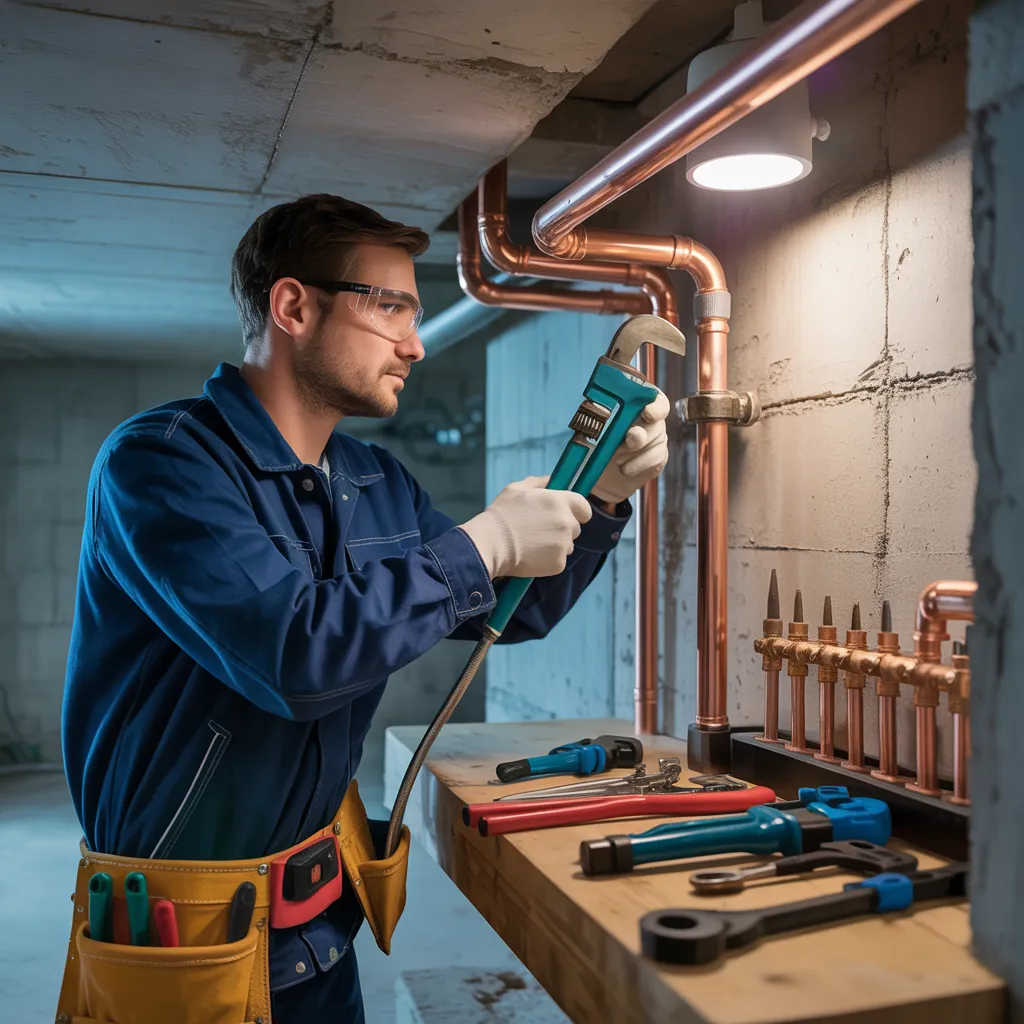
Popular DIY Plumbing Missteps to Watch Out For
A large number of homeowners fail to grasp the intricacies of plumbing, causing frequent DIY blunders. A common oversight is the inappropriate use of tools, which can harm pipes or fittings. Many also forget to turn off the water supply before starting repairs, causing flooding and further complications. Failing to assess the seriousness of leaks often leads to temporary fixes that prove ineffective, causing more significant issues over time.
A frequent issue is using the wrong sealants or adhesives, which can degrade under pressure or temperature changes. Homeowners often neglect local plumbing codes, potentially facing fines or hazardous installations. Moreover, neglecting to properly evaluate the issue can lead to misguided repairs, squandering valuable time and financial resources. In many cases, such mistakes could simply be circumvented by consulting a professional plumber, who has the expertise and understanding to address plumbing issues effectively and efficiently from the start.
The Concealed Expenses of DIY Plumbing Fixes
Although DIY plumbing repairs might appear budget-friendly at first, homeowners often overlook hidden expenses that can result from these undertakings. For starters, acquiring equipment and materials can accumulate into significant costs, particularly when specialized tools are needed. These financial burdens can be further increased if the homeowner is forced to acquire supplies multiple times due to improper measurements or miscalculations.
In addition, numerous DIY repairs can inadvertently cause further damage, escalating repair costs. To illustrate, an incorrectly fixed leak might result in water damage, mold growth, or structural issues that demand professional intervention. Homeowners may also encounter time losses, as untrained individuals might spend considerably longer on repairs than anticipated.
In the end, the lack of guarantees or warranties on DIY work can lead to future expenses if problems resurface. All things considered, what starts as a budget-friendly approach can become a expensive undertaking, making hiring a professional plumber a more prudent investment in the overall scheme of things.
Fast Diagnosis by Expert Plumbers
Experienced plumbing professionals offer a broad range of skills in rapidly diagnosing plumbing concerns. Employing state-of-the-art diagnostic equipment, they can effectively identify concerns that may elude the untrained eye. This proficiency not only conserves time but also prevents unnecessary deterioration, ensuring a more effective repair process.
Experience in Pinpointing Concerns
When faced with plumbing issues, homeowners often find themselves challenged by the complexity of the issues they face. Professional plumbers possess the expertise to quickly pinpoint underlying issues that may not be obvious at first glance. Their extensive training and experience allow them to spot recurring signs and indicators, enabling them to distinguish between minor inconveniences and significant threats to the home's plumbing system. This expertise reduces the uncertainty involved in diagnosing problems, ensuring that the right solutions are executed in a timely manner. By accurately identifying issues, professional plumbers can stop further deterioration and expensive fixes, ultimately benefiting homeowners in terms of time and cost. Their specialized knowledge is essential in navigating through the often-confusing world of plumbing complexities.
Sophisticated Diagnostic Tools
Leveraging state-of-the-art diagnostic tools, plumbers can quickly identify and resolve plumbing concerns with precision. These tools, such as video pipe cameras and advanced leak detection tools, allow experts to detect problems obscured behind walls or lying underground. By giving a thorough perspective of pipes and plumbing networks, they lessen the ambiguity often linked to plumbing repairs. These innovations not only allows for more rapid evaluations but also minimizes the need for invasive procedures, helping homeowners save time and money. Additionally, sophisticated diagnostic instruments help plumbers produce thorough documentation, allowing for informed decision-making regarding repairs and maintenance. Ultimately, making use of these modern methods boosts the capability and quality of plumbing services, ensuring issues are resolved promptly and accurately.
How Professional Equipment Enhances Plumbing Repairs
While many homeowners try to handle plumbing repairs themselves, the use of professional tools markedly enhances the effectiveness and efficiency of plumbing work. Professional plumbers utilize specialized equipment such as pipe cameras, which allow for precise inspection of hidden issues explore the details within pipes. Such technology allows for precise identification of issues, minimizing the risk of expensive errors.
In addition, tools like hydraulic drain cleaners and trenchless repair methods can speed up repairs that would typically take days or even hours. These innovations decrease damage to property and confirm that repairs are completed swiftly. Industry-standard fittings and wrenches also guarantee a durable and reliable bond, avoiding subsequent leaks that may develop from inadequate amateur repair work.
Furthermore, the appropriate equipment guarantee compliance with regulatory standards, giving homeowners confidence. By harnessing cutting-edge equipment, skilled plumbers provide premium repairs that not only reduce time spent but also decrease extended costs linked to plumbing mishaps.
The Reasons Plumbing Codes Are Essential for Your Safety?
Adhering to plumbing codes is essential for guaranteeing safety and functionality in all plumbing systems. These codes are created to minimize dangers connected to plumbing installations, addressing potential issues such as leaks, water contamination, and structural damage. Compliance with these regulations guarantees that techniques and materials used in plumbing are verified and confirmed to be safe.
When plumbing regulations are adhered to, the chances of costly fixes and health problems reduce substantially. For example, improper drainage can lead to stagnant water, encouraging mold development and creating health hazards. Moreover, regulations mandate adequate venting systems to avoid dangerous gas accumulation.
Employing a professional plumber who understands these codes certifies that installations are performed correctly, decreasing the likelihood of dangerous situations. In the end, adherence to plumbing codes not only protects the integrity of the plumbing system but also safeguards the well-being of inhabitants, making it a crucial component of any plumbing project.
The Ways Professional Plumbing Helps You Save Time
Professional plumbers bring knowledge that allows them to swiftly pinpoint concerns that might otherwise take a homeowner considerable time to recognize. Their effective repair methods not only resolve the issue thoroughly but also reduce disruption, allowing for a swift return to normalcy. By relying on trained professionals, homeowners can preserve precious time and sidestep the aggravation of unsuccessful repair attempts.
Skilled Problem Diagnosis
Diagnosing plumbing concerns can be a challenging task for homeowners, often leading to avoidable setbacks and expensive errors. Skilled plumbers are equipped to precisely identify issues swiftly. Their training and experience enable them to identify indicators and warning signs that might go unnoticed by an inexperienced individual. With the aid of professional tools and strategies, they can determine the true origin of concerns, such as water leaks or drainage obstructions, rather than just addressing surface symptoms. This professional assessment not only saves time but also prevents further damage, which can drive up the cost of fixes. Homeowners can trust that a skilled plumbing specialist will evaluate the circumstances completely, offering reassurance and making certain that the plumbing system performs reliably.
Professional Repair Solutions
When plumbing problems occur, quick and thorough repairs are necessary to minimize disruption in daily life. Professional plumbers possess the expertise to rapidly diagnose issues and apply fixes. Their expertise empowers them to address difficult situations that could perplex an amateur. With the aid of professional equipment and practices, they can often resolve plumbing problems in a fraction of the time compared to what an inexperienced individual might require. This effectiveness not only reestablishes routine but also keeps minor concerns from growing into significant expenses. Additionally, professional plumbers adhere to safety standards, reducing the risk of further damage or injury. Ultimately, employing a professional confirms that plumbing concerns are resolved quickly and competently, preserving important time and money.
Guidelines for Choosing the Right Plumber
Identifying the best plumber can significantly impact the quality and cost of home maintenance, especially when plumbing concerns develop suddenly. To guarantee a smooth vetting process, homeowners should commence by researching local plumbers. Online reviews and endorsements from trusted friends and family can offer helpful guidance.
Additionally, it is crucial to confirm proper licensing and insurance. A certified plumber should maintain the proper certifications and be insured to protect against potential losses. Additionally, getting multiple estimates can assist homeowners in comparing review rates and service packages.
Communication is also vital; a good plumber should be willing to explain the problem and proposed solutions clearly. Finally, ask for references to gauge their reliability and workmanship. By following these tips, homeowners can confidently select a plumber who meets their needs and guarantees quality repairs, ultimately saving both time and money.
Frequently Asked Questions
How Can I Tell if My Plumbing Issue Is an Emergency?
A plumbing concern is considered urgent when it includes serious leaks, sewage overflow, or a drop in water pressure. Prompt attention is critical so as to eliminate additional damage, increased repair expenses, and possible health hazards resulting from neglected plumbing concerns.
What Credentials Should a Professional Plumber Possess?
An expert plumber needs to have appropriate certifications, licenses, and thorough training. They should also have knowledge of diverse plumbing systems, familiarity with local building codes, and the competence to address challenges effectively, delivering high-quality service to all customers.
Can Online Reviews Be Trusted When Picking a Plumber?
Online reviews can provide valuable insights into a plumber's reliability and quality of service. That said, they should be examined with care, keeping in mind any potential biases and the cumulative number of reviews to maintain an objective outlook.
How Much Time Does a Standard Plumbing Repair Usually Take?
An average plumbing fix typically requires one to three hours to complete, subject to the complexity of the repair. Factors such as material requirements, accessibility, and the nature of the repair can influence the overall duration considerably.
What Are the Most Common Indicators of Plumbing Issues in My Home?
Common signs of plumbing issues include draining slowly, moisture stains on ceilings or walls, odd noises from pipes, variable water pressure, and recurring unpleasant smells. Detecting these indicators at an early stage can reduce the risk of extensive damage and high repair costs.